

Gettysburg College Presidents
Biographical information is from “Gettysburg College,” a pictorial history by Prof. Michael J. Birkner in collaboration with David Crumplar, A Salutary Influence: Gettysburg College, 1832-1985 by Prof. Charles H. Glatfelter, and other sources.
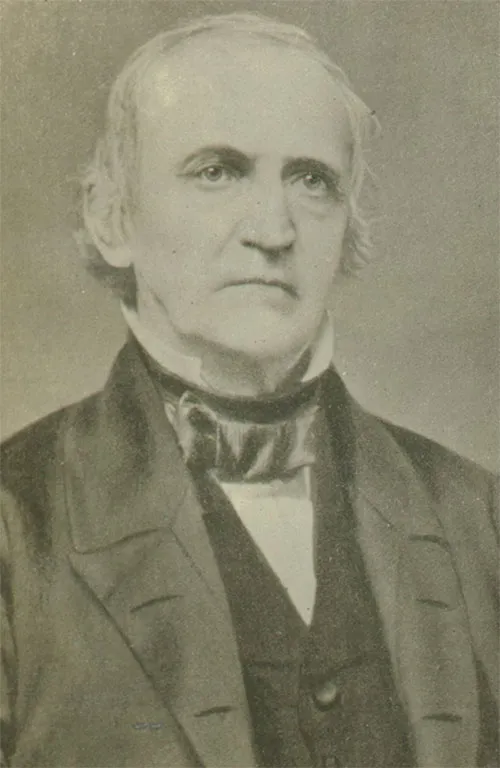
Charles P. Krauth (1797-1867) was the first president of Gettysburg College, serving from 1834 to 1850. A Lutheran pastor, he became a trustee of the Lutheran Theological Seminary of Gettysburg in 1826 and of the College in 1832. At the College, he served as professor of intellectual and moral science, and at the seminary as professor of Biblical and Oriental literature. For 16 years, he lived with his family in what is now Pennsylvania Hall, acting as a guardian for the students who also resided there. For an 1882 history of the College, an alumnus wrote that Krauth “possessed in a high degree the requisites for a successful college president — dignified bearing, suavity of manner, cool temperament, conservative judgment, enthusiasm for his work, and large sympathy with young men preparing for life’s struggles ... he was noted for his courtesy, high sense of honor, kind but firm administration, which compelled a return of respect and affectionate regard.”
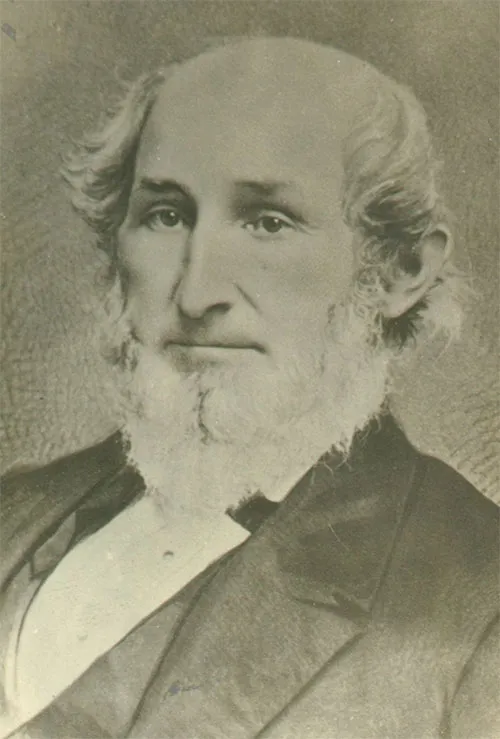
Henry L. Baugher (1804-1868) succeeded Charles P. Krauth as president of the college in 1850 and served until his death. Baugher offered the benediction on November 19, 1863, at the dedication of the Gettysburg cemetery, at which occasion Abraham Lincoln delivered his immortal address.
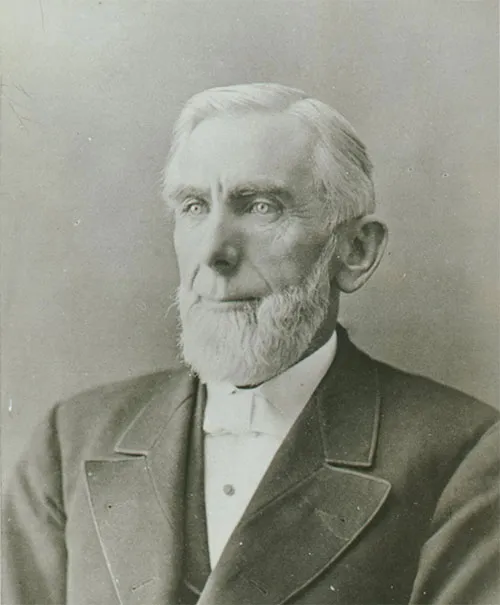
Milton Valentine (1825-1906) served as Gettysburg College’s third president. A Maryland native and member of the Pennsylvania College class of 1850, Valentine was a professor at the seminary when called to Gettysburg's presidency. During his 16-year term of service (1868-1884), Valentine oversaw construction of several new campus buildings, including Stevens Hall (1868) and an astronomical observatory (1874). As president, Valentine emphasized truth seeking and the need to adapt to changing currents in higher education.
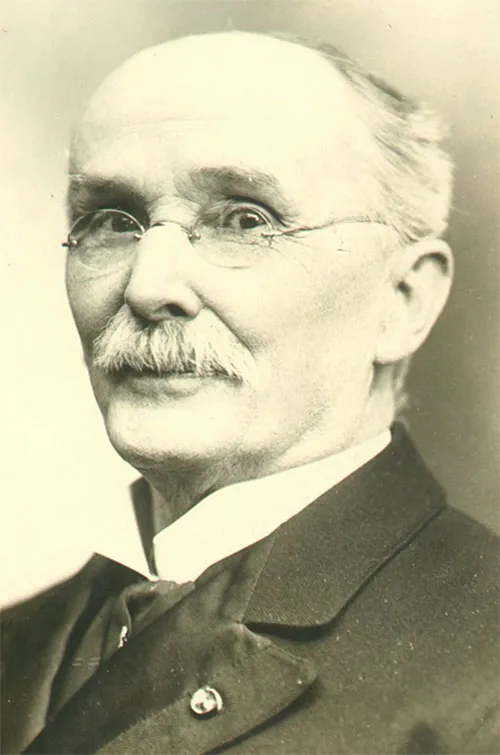
Harvey McKnight (1843-1914) was barely 40 years of age when called to the Pennsylvania College presidency. He supported a “soundly Christian” education at Gettysburg and was committed to retaining the core curriculum of Greek, Latin, and mathematics. McKnight was the first president who spent much time soliciting funds from a range of constituencies particularly for a building that would be a “wider place for a greater work” on campus.
Samuel G. Hefelbower (1871-1950) was 32 years old when the Board of Trustees elected him president. He had not known he was under consideration, and deliberated for some time before accepting the position. An 1891 graduate of the College, he was a Lutheran pastor who studied at the universities of Leipzig and Halle in Europe. Beginning in 1902, he served the College as a professor of German and as an instructor in French and history. An account by Joseph Eugene Rowe, Class of 1904, which is included in Hefelbower's own "A History of Gettysburg College, 1832-1932," credits Hefelbower with leading efforts to make entrance requirements for students more stringent and to broaden the curriculum. As a result, by 1908, the trustees added departments of French, physics, and philosophy and increased the faculty in several areas. His wife, Edna M. Lewis, was an 1896 graduate of the College.
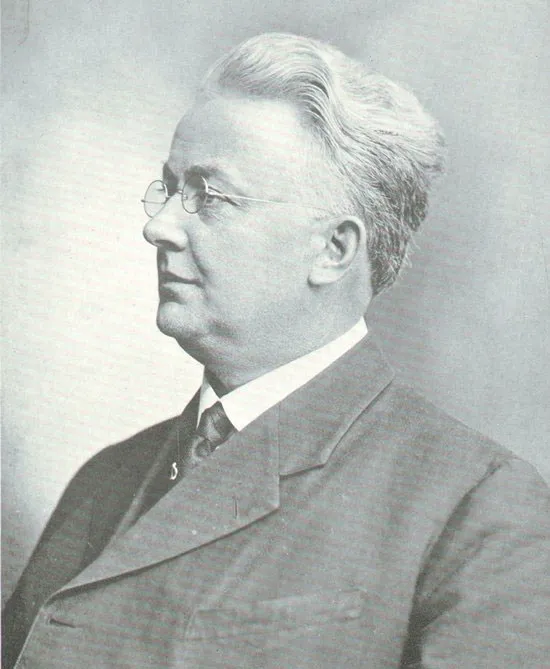
In 1910, Pennsylvania College inaugurated its sixth president and first lay leader, Yale University mathematics professor William A. Granville. Granville’s presidency was event-filled and constructive, notably in the establishment of a strong new curriculum, an engineering program, and success in securing a Phi Beta Kappa chapter.
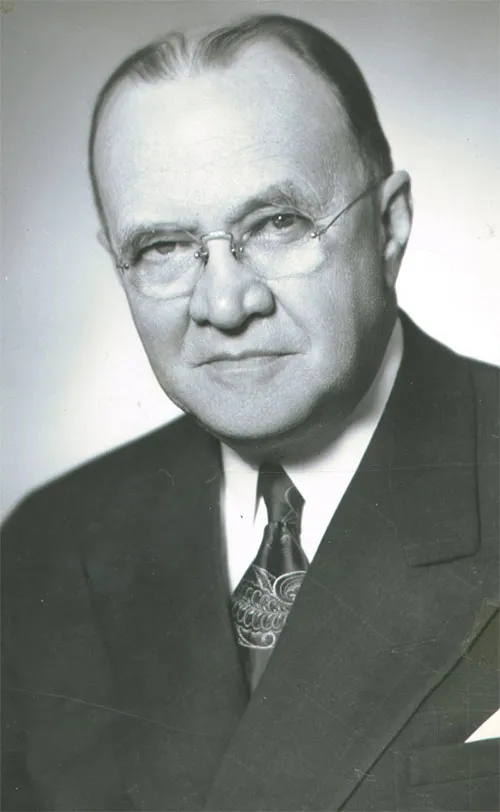
This photograph depicts Henry W. A. Hanson shortly after he arrived at Gettysburg in 1923, after a successful tenure as pastor of a large Lutheran congregation in Harrisburg. For the next three decades Hanson was the dominant figure on the Gettysburg campus, leading the College through a depression and world war.
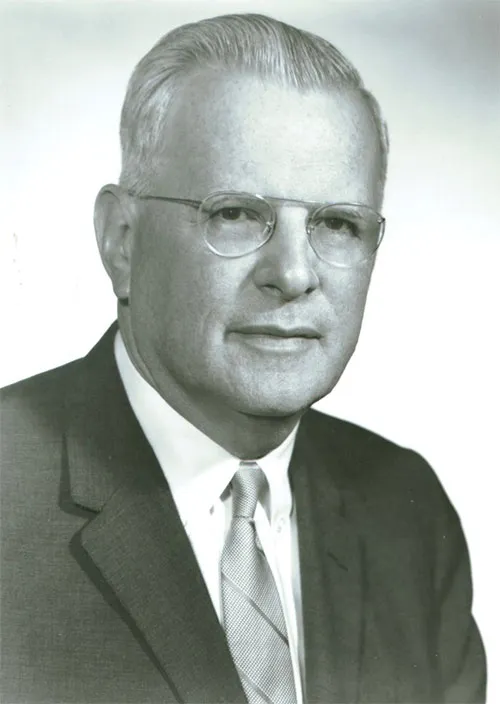
In 1952, after 29 years as Gettysburg’s president, Henry W. A. Hanson retired. He was succeeded by a distinguished European historian, then head of Wagner College on Staten Island, Walter Langsam. Langsam’s tenure at Gettysburg was brief, productive, and turbulent. Hanson loyalists found it difficult to accept changes that Langsam believed necessary for Gettysburg to move forward in a new era. Their carping wore him down. In 1955, Langsam accepted the presidency of the University of Cincinnati, where he served for 17 years.
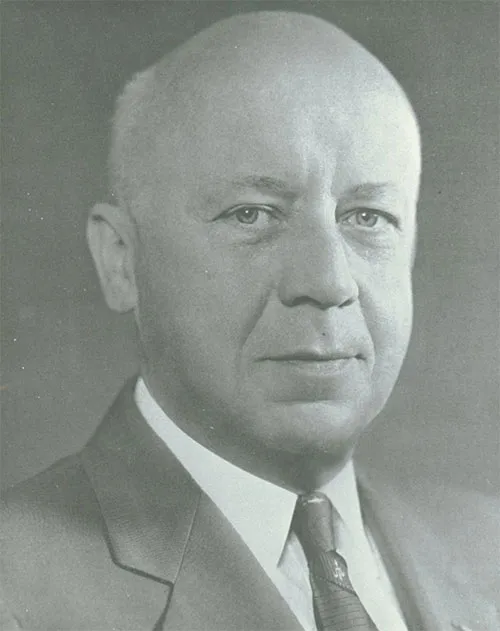
Before becoming president of Gettysburg College, Willard S. Paul (1956-1961) served in the Army in both World War I and II. He retired as Lieutenant General in 1948 and served his country in many post-war service roles.
His presidency was marked by campus construction. The Charles Stine freshman dormitory, named after a distinguished alumnus and longtime board chairman, was built in 1955. Completion of the first-year men's quad took several more years. In 1956, President Paul founded the Student Senate.
His wife Luella Musselman Paul, was a Gettysburg alumna and was honored with the Alumni Meritorious Service Award for her leadership in the community.
President Paul was buried in Arlington National Cemetery with full military honors.
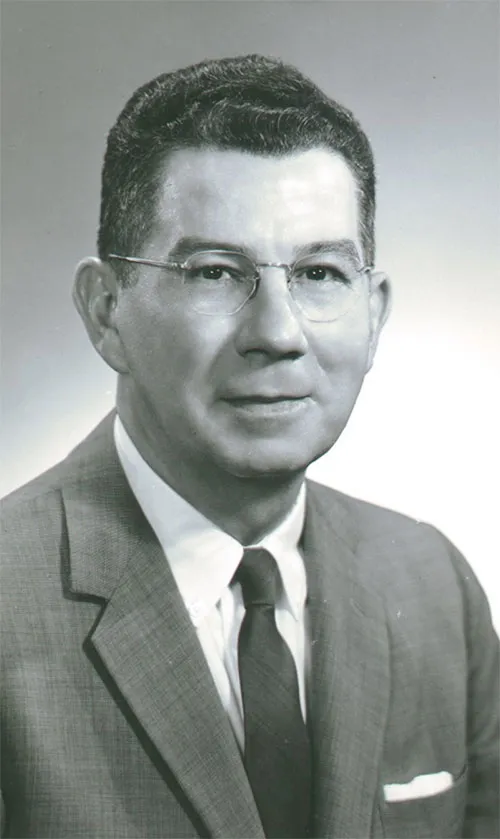
C. Arnold Hanson, dean of the College of Arts and Sciences at Cornell University, was installed as Gettysburg College’s 10th president early in 1962. Hanson served the college with modesty, forbearance, and tact from 1961 until 1977.
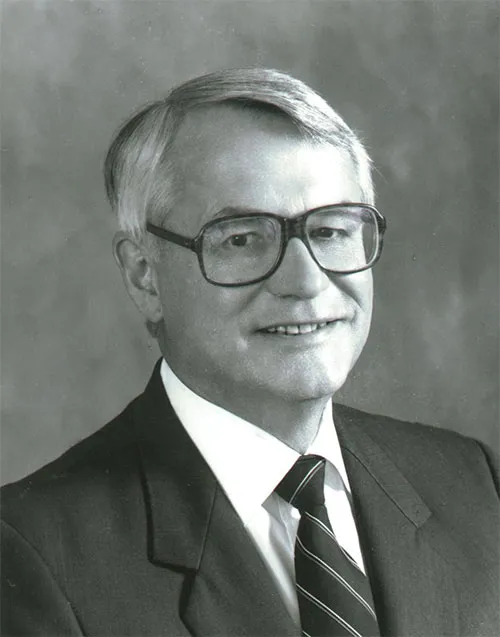
Charles Glassick commenced his tenure as president of Gettysburg College in the summer of 1977. A graduate of Franklin and Marshall College and Princeton University, Glassick came to Gettysburg from the University of Richmond, where he had served as vice president for academic affairs. During his 12-year tenure, Glassick raised the college’s sights in academics and fund-raising, built a new library, spurred the creation of interdisciplinary programs, founded the Gettysburg Review, and earned recognition as one of the nation’s 100 best college presidents.
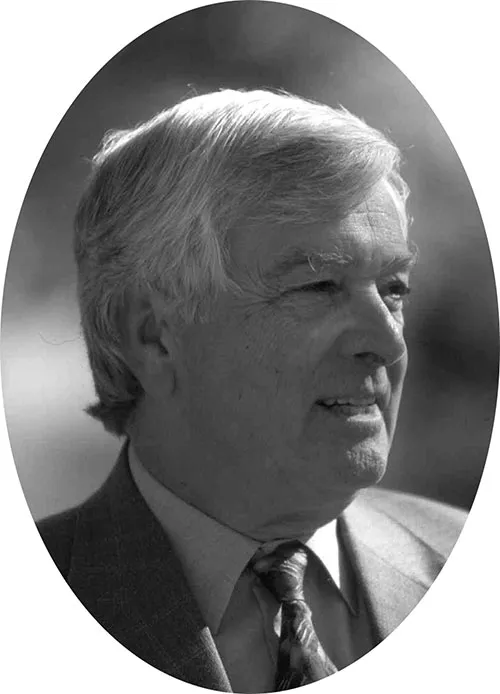
Gordon Haaland was named 12th president of the college in 1990. A social psychologist, he had served as president of the University of New Hampshire prior to arriving in Gettysburg. Haaland advanced the college’s information technology, expanded the student body by roughly 20 percent, and strengthened the college’s profile. He left office in 2004 having achieved his major goals, including the completion of a $100 million capital campaign.
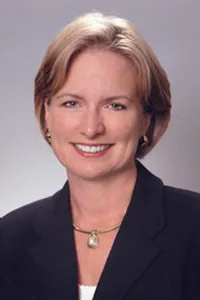
Katherine Haley Will was the first woman to serve as president of Gettysburg College, holding office from 2004 to 2008. She also chaired the Annapolis Group, an organization of more than 100 of the leading national independent liberal arts colleges.
Developments during her tenure included the formulation of a long-term campus facilities master plan, a move to a five-course teaching load to allow faculty to spend more individual time with students, creation of a comprehensive student career networking program, approval of a new Center for Athletics, Recreation and Fitness, and expansion of the Eisenhower Institute of Public Policy at Gettysburg College. During her time in office, Gettysburg received a record number of applications from prospective students and achieved a record graduation rate.
She previously served as president of Whittier College in California and as provost and professor of English at Kenyon College. She earned her master's and doctoral degrees in English at the University of Illinois, Champaign/Urbana. She completed her bachelor of arts degree at Tufts University, which awarded her an honorary doctoral degree in 2002.
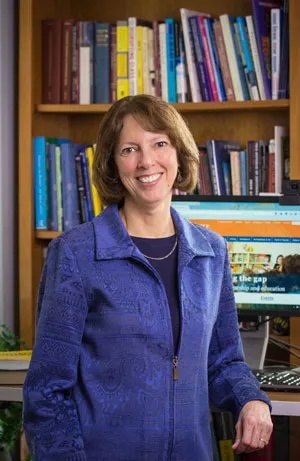
Janet Morgan Riggs was appointed the 14th president of Gettysburg College in 2009. She graduated from Gettysburg College with a B.A. in psychology and mathematics and received her M.A. and Ph.D. in social psychology from Princeton University. Riggs returned to Gettysburg College in 1981 as a faculty member in the Psychology Department, where she served as department chair. Riggs was appointed president after serving as interim president in 2008. She retired on June 30, 2019 after devoting more than 40 years to the institution—as a student, professor, presidential assistant, provost, and ultimately president.
Riggs is the recipient of the Gettysburg College Student Senate Faculty Appreciation Award, the Thompson Award for Distinguished Teaching, and the Woman of Distinction Award presented by the women students of Gettysburg College. She taught courses in experimental methods, social psychology, and general psychology and conducted and published research in the areas of attitude attribution and expectancy confirmation.
Under her leadership as president, Gettysburg College enhanced its commitment to inclusion and internationalization; strengthened its academic reputation and recruitment efforts; and transformed its campus grounds and facilities. Riggs also spearheaded the most ambitious fundraising effort in the College’s 187-year history—Gettysburg Great: The Campaign for Our College—which raised over $160 million and attracted more than 25,000 donors in support of the institution.
Riggs’s advocacy for private liberal arts education is clear from her leadership in a variety of national and state organizations. She was a founding member of the PA Consortium for the Liberal Arts and served as its chair; she chaired the board of the Association of Independent Colleges and Universities of PA; and she served on the boards of the PA Campus Compact (now the CCNYPA), the National Association of Colleges and Universities, and the Annapolis Group. Riggs chaired the Centennial Conference and also served on the boards of the Gilder Lehrman Lincoln Prize and the Gettysburg Foundation. She published numerous articles on issues relating to higher education, and liberal arts education in particular.
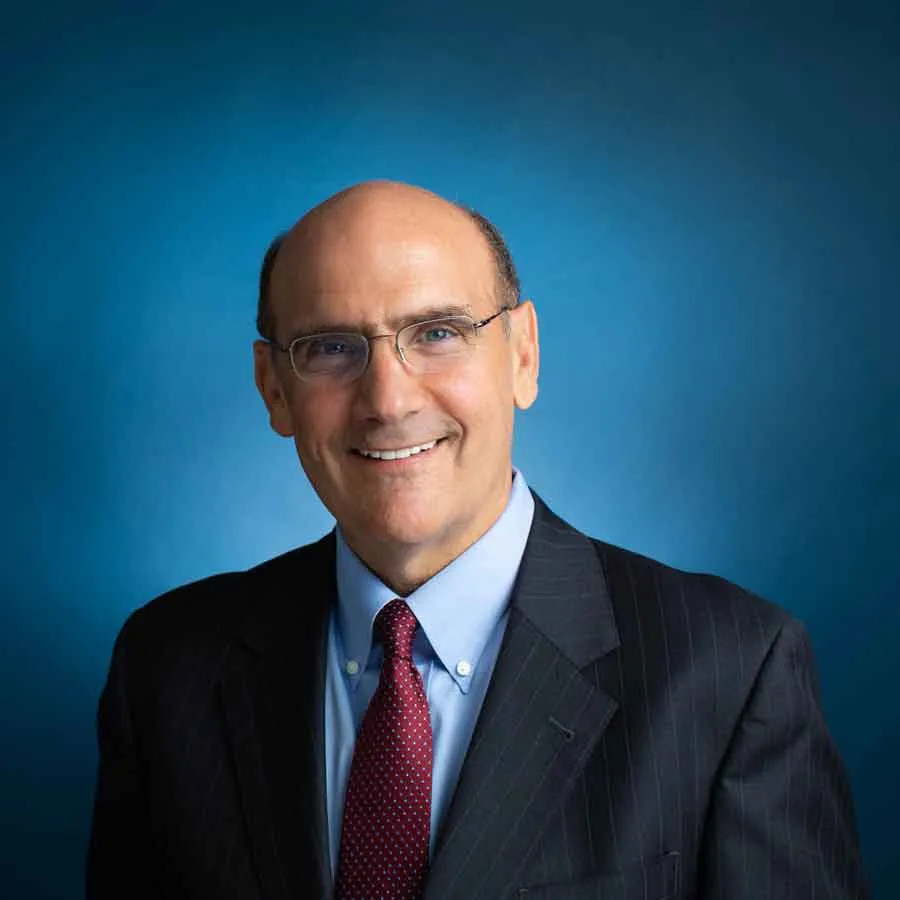
Robert W. Iuliano was appointed the 15th president of Gettysburg College in 2019. Since joining Gettysburg, Iuliano has prioritized providing today’s students with A Consequential Education—one that enriches the mind, deepens the heart, and strengthens the capacity to act.
Under Iuliano’s leadership, Gettysburg launched Living Our Promise: The Strategic Direction for Gettysburg College in 2023, which seeks to more fully integrate learning both within and beyond the classroom and to ensure that all Gettysburg students graduate career ready. The cornerstone of this work is the Gettysburg Approach—designed to provide every student with the knowledge and enduring skills to thrive in a world marked by change, while benefitting from high-impact Guided Pathway experiences and the mentorship of their own Personal Advising Team.
During his presidency, Gettysburg College has experienced one of its most transformative periods in its nearly 200-year history, including the introduction of a new core curriculum, a refreshed visual identity, and new majors in business, finance, public health policy, and communication studies. The College also launched its first Master of Arts in American history, in partnership with The Gilder Lehrman Institute of American History (GLI), and its first Master of Education in educational design and innovation, while significantly expanding its postgraduate partnerships, including with Lancaster, Loyola, the Meritus School of Osteopathic Medicine (MSOM), Penn State, Syracuse, Towson, and Villanova.
Iuliano’s influence is also on display across campus, including through Gettysburg’s new centers for student success and quantitative learning, and its 24/7 Bloomberg Terminal Lab, as well as the College’s recent renovations to its residence halls, ballroom, recital hall, campus eateries, social spaces, and athletic facilities. In 2025, Gettysburg Athletics finished 29th in the NCAA Division III Learfield Directors’ Cup standings—the College’s highest finish to date.
Upon arriving at Gettysburg, Iuliano helped the College navigate the COVID-19 global pandemic. Today, given the outsized changes impacting higher education and the workforce, Iuliano is spearheading new initiatives focused on alumni mentorship, artificial intelligence, and an ambitious reimagining of the institution itself—known campus-wide as Gettysburg 2.0.
Iuliano’s vision for Gettysburg College ensures that every student from every background is a beneficiary of a rigorous, residential liberal arts and sciences education, positioning them to grow into the effective leaders and socially responsible citizens our society needs.
Iuliano has dedicated nearly his entire professional life to higher education, previously serving as Deputy to the President and Senior Vice President and General Counsel at Harvard University. He is a graduate of Harvard College and the University of Virginia School of Law. Iuliano and his wife, Susan, have two sons and four grandchildren.