Sunderman Conservatory
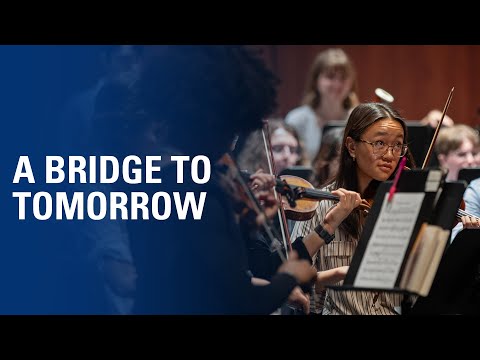
The Sunderman Conservatory of Music is a dedicated place for music inside a liberal arts college, a conservatory embedded in a rich intellectual community. An exceptional faculty of artists and scholars, a campus culture rich in performance, and opportunities that range from residencies with internationally-renowned guest artists and lecturers each semester to musical experiences abroad for a semester or a summer make Sunderman one of the most distinctive undergraduate music options available.
Complete the Music Profile Form
Complete a Music Profile Form to indicate your interest in music and learn more about the Sunderman Conservatory of Music.
Complete the Music Profile Form
Schedule a Visit
Plan your visit to the Sunderman Conservatory. You can sit on on classes and rehearsals, and schedule a lesson with a faculty member in your applied area.
Featured courses
Survey of technological, sociological, and artistic issues related to games and game music. Students will critically examine notions of play; explore the evolution of video game soundtracks; analyze how music operates in games; explore and critique “music games” such as Guitar Hero; and explore music and sound in game-related cultural phenomena (such as video game soundtrack concerts and tribute bands). The course includes a substantial multimedia component.
The premier wind band in the Sunderman Conservatory designed for the development of the professional performer, music educators, and dedicated musicians. A select group of 40-50 players, the ensemble rehearses and performs a combination of wind band masterworks and new repertoire. The Wind Symphony is open to all Gettysburg College students.
An interdisciplinary perusal of issues surrounding Africana musics ranging from African music such as juju to Afro-Caribbean styles such as salsa and African American forms such as jazz and hip-hop. This discussion-oriented course calls upon perspectives from Africana studies, ethnomusicology (the study of music in its cultural context), anthropology, religious studies, history, philosophy, critical race theory, gender studies, and literary criticism.
Sunderman Conservatory Spotlight